
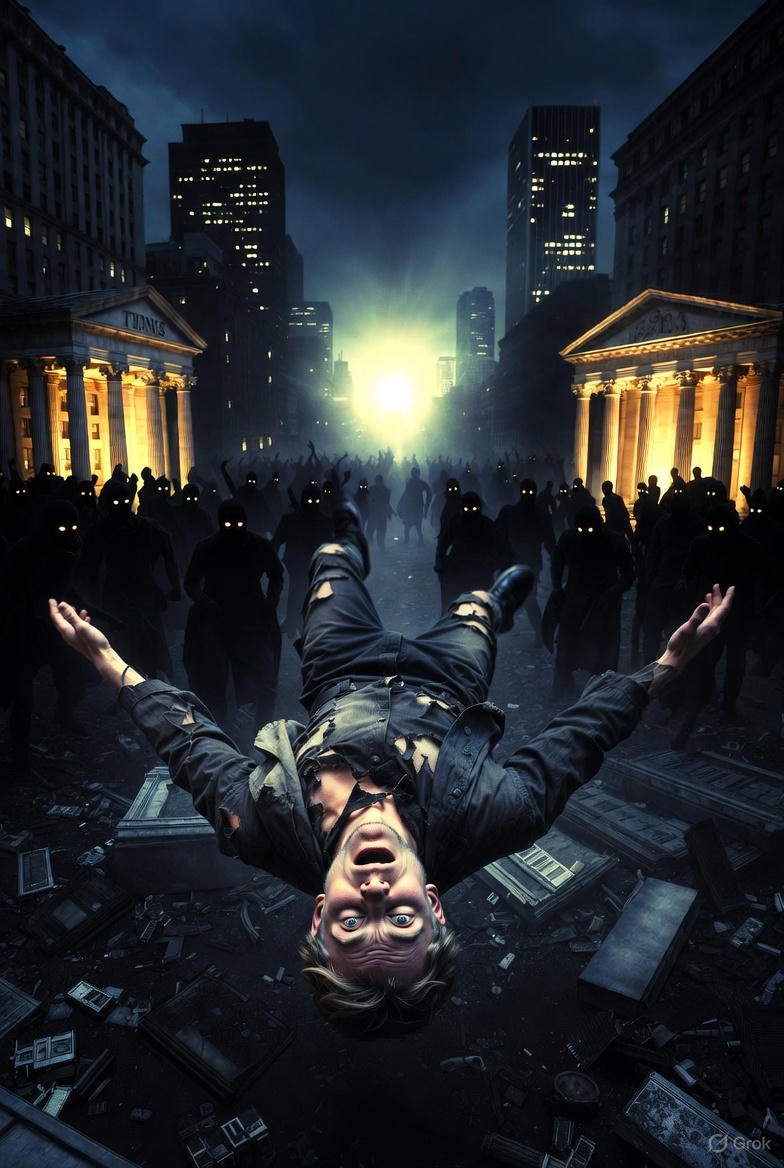
In the realm of spiritual awakening, few concepts are as misunderstood as the idea of “demons” or evil entities. As we explored in a previous post, these so-called dark forces are not external threats but projections of our inner fears and unresolved shadows. They gain form and influence only through the power we assign them—much like a shadow that vanishes when light is shone upon it. Today, let’s dive deeper into this illusion, examining how religions and society perpetuate fear through myths of malevolent beings, why objects like crystals hold power only through belief, and the truth that no entity can harm your eternal soul without your consent.
Religions and the Weapon of Fear
Throughout history, many religious institutions have harnessed fear as a tool for control, often invoking the specter of demons, hell, or eternal punishment to maintain authority over followers. This isn’t a blanket condemnation of faith—many spiritual paths offer profound wisdom and connection—but a recognition of how fear-based narratives can manipulate behavior. For instance, concepts like hell serve as gatekeepers of salvation, creating dependency on religious leaders or doctrines to avoid damnation. Historical examples abound: from medieval Christianity’s emphasis on demonic possession to foster obedience, to modern instances where fear of divine retribution justifies extremism across various faiths. Evolutionary perspectives suggest that ideas of omniscient, punishing gods evolved to promote cooperation through fear, ensuring societal order but at the cost of individual freedom.
In childhood, this manipulation can be particularly potent. Threatening young minds with hell or evil spirits exploits their innocence, embedding lifelong patterns of guilt and compliance. Politicians and leaders have mirrored this tactic, using religious fear to legitimize power or conflict. Yet, not all views align; some argue that fear in religion stems from a desire to live righteously, pulling individuals back from “sinful” paths. From a spiritual lens, however, this fear distracts from our innate divinity, projecting inner turmoil outward as demonic threats.
Societal Myths: The Illuminati and Satanic Shadows
Society often amplifies collective fear through myths of secretive, elite groups—most famously the Illuminati—accused of orchestrating global events from the shadows, sometimes portrayed as engaging in satanic worship or idolatry to maintain power. These narratives paint a picture of powerful figures driven by terror of losing control, hoarding resources, and manipulating populations through engineered crises, all while allegedly bowing to dark forces or symbolic “Satan” as an idol of dominance and separation. Yet, from a deeper spiritual perspective, even if fragments of such coordinated influence exist among the elite, their actions stem from the same root cause: a profound falling away from love. In denying their own divine connection and infinite abundance, they project fear outward, creating or perpetuating systems of scarcity and division.
The “Satan” they are said to worship is not an external entity but the ultimate idol of ego—worshipping control, lack, and separation over unity and trust in source. By fixating on these external villains, we inadvertently give away our own power, feeding the very illusion of their dominance; true liberation comes from recognizing that no group, ritual, or shadow can hold authority over a soul anchored in unconditional love.
The Power of Belief: Crystals and Beyond
Just as demons are illusions empowered by belief, so too are objects like crystals. Many in spiritual communities attribute healing properties to them—enhancing energy, clarity, or peace—but science often attributes these effects to the placebo phenomenon, where belief in a treatment triggers real physiological changes. Studies show that gemstones can foster hope and positive shifts, not through inherent magic, but via the mind’s influence on the body.
From a spiritual viewpoint, crystals serve as tools for intention-setting, symbolizing energies we already possess within. Critics note a lack of empirical evidence for vibrational healing, warning against replacing medical care. Yet, even religious polls reveal belief in such objects’ spiritual energies among Christians. The key insight? Power resides in the believer, not the object. By giving away our authority, we create the very “magic” or “curse” we experience.
No Harm Without Consent: The Invulnerable Soul
At the heart of this illusion is the truth that no evil entity—demon, spirit, or otherwise—can harm your soul unless you believe it possible. Various viewpoints exist: religious texts describe demons as fallen angels capable of influence, possession, or haunting places. Personal accounts, from ayahuasca visions to exorcisms, claim encounters with malevolent forces.
Skeptics and some spiritual traditions view these as metaphors for inner evil, psychological disorders, or manifestations of wicked desires. Science finds no empirical evidence for demons, attributing experiences to mental states. In awakening, we see that harm requires permission: belief feeds the projection, but awareness dissolves it. Your soul, eternal and divine, remains untouched.
Reclaiming Your Power
By unmasking these illusions, we reclaim our sovereignty. Fear-based religions, societal conspiracies, empowered objects, and phantom demons all stem from the same source: our projections. Shift to love and presence, and they fade. What fears have you projected outward? Reflect, release, and awaken.
Share your insights in the comments—let’s dissolve these illusions together.